
Fixation Hunter Tier List
How the obsessed role actually closes a nine-player house.
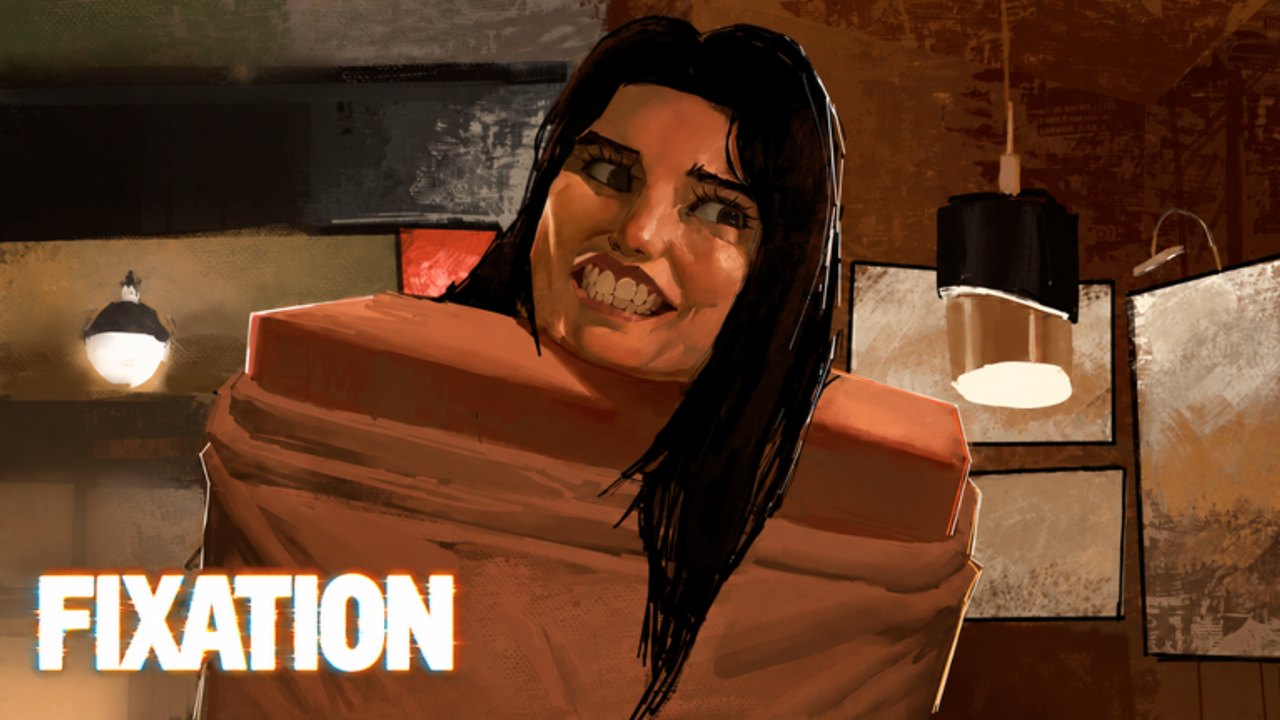
The Fixation is the power role. You look like the painted hunter in the key art: close, smiling, already in the doorway. That does not mean every hunter player is S-tier. Most public-lobby Fixations sprint in a straight line, miss the rotation, and then complain that survivors “camped.” This list ranks how you use the role, not a fake ability tree. Read it with how to play as the Fixation and the the Fixation page.
S tier — cut the map in half
S-tier hunters pick a wing and deny it. They do not tour the entire house on minute one. They listen for grouped footsteps on wood, they check the obvious closet once, and they leave a threat behind them so survivors cannot freely reclear. They treat doorways as chokepoints, not as photo spots. When two survivors are together, they force a split instead of tunneling the first person who panicked.
S-tier also respects the camera. First-person panic is a survivor problem; third-person over-flick is a hunter problem. Warm up with controls so a lamp glare is not the reason you lose a down.
A tier — strong chase, late map control
A-tier hunters win most 1v1s and still leak objectives on the other side of the house. They are scary in a hallway and invisible in the east wing. Improve by glancing at the walkthrough and picking a patrol that touches both the lit interior and the dark threshold where the official screenshot puts the character.
They also overcommit to the first scream. One down is good. Three survivors completing a path while you animation-lock on a body is how A-tier becomes a loss.
B tier — lobby average
B-tier is the hunter who found the knife energy and not the routes. They get one or two downs because the role is strong, then they run out of pressure. They check the same furniture the survivors already left. They ignore audio. They type in chat mid-chase. Mute the keyboard until the round ends.
C tier — entertainment hunter
C-tier hunters pose, teabag, and let people go for a clip. That is allowed in a private server with friends. In a public 1vAll it wastes everyone else’s queue. It also teaches survivors the house for free. If you want a social round, say so in the co-op guide sense: private server, agreed rules. Do not farm content on people who wanted a real match.
D tier — tools and throws
D-tier is an injector, a rage quit after the first missed lunge, or a hunter who blocks the lobby so the server cannot start. Cheating as the already-strong role is the fastest way to empty FIXATION. See script safety. If you cannot win without a highlight, you are not S-tier. You are D-tier with extra steps.
Climbing the hunter list
Play survivor rounds. The survivor tier is the scouting report. Then play hunter with one goal per match: first match, only patrol; second match, only cut rotations; third match, allow yourself to chase. Keep the launch notes in mind — the place is still being tuned, and a speed tweak can move an entire column.
The wish fantasy from the film is simple: you already have the love, now you keep it. In gameplay terms that means you already have the power role. Spend it on map control, not on a montage.
Frequently Asked Questions
Quick answers to the most common questions.
Is the Fixation overpowered?
The role is supposed to be strong. S-tier is map control, not just raw speed. See how to play as the Fixation.
Should I chase the first person I see?
Only if they are isolated. Tunneling a pack while the rest of the house goes free is B-tier.
Do I need a script to play hunter?
No. That is D-tier and a ban risk. Read script safety.
Where do I learn the house?
The walkthrough and a few survivor rounds.